
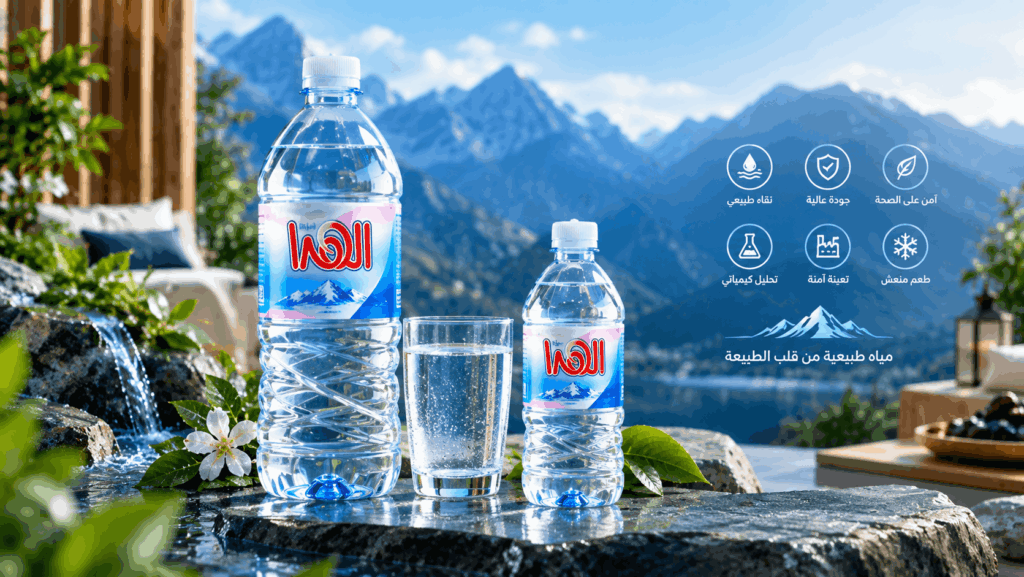
When choosing bottled water, most consumers look at the brand, bottle size, price, and convenience. However, one of the most important factors is something that may not always be visible: water quality.
In Saudi Arabia, bottled drinking water is produced within a regulated environment designed to support product safety, quality and consumer protection. Standards and technical requirements help establish expectations for products placed on the Saudi market, while manufacturers are responsible for maintaining appropriate controls throughout production.
For consumers, understanding bottled water quality standards in Saudi Arabia can make it easier to choose drinking water with confidence.
In this guide, we explain the key areas that contribute to bottled water quality, from the source and treatment process to packaging, hygiene and quality control.
What Are Bottled Water Quality Standards?
Bottled water quality standards are technical requirements and quality criteria used to help ensure that drinking water is suitable for consumption.
These requirements can cover different aspects of production and product safety, including:
- Water quality
- Treatment and purification
- Microbiological safety
- Chemical characteristics
- Packaging materials
- Manufacturing conditions
- Product labeling
- Quality control and testing
The Saudi Standards, Metrology and Quality Organization (SASO) develops Saudi standards and technical requirements across different product categories. Its standards system is intended to support quality, safety and consumer protection in the Saudi market.
This means bottled water quality is not simply about how the water looks or tastes. It involves a controlled process from the source through production and packaging.
Why Is Bottled Water Quality Important in Saudi Arabia?
Saudi Arabia’s climate makes reliable access to drinking water especially important. With high temperatures during much of the year, bottled water is commonly used in homes, offices, restaurants, events and outdoor environments.
Quality controls help ensure that bottled water maintains appropriate safety and quality from production to consumption.
A good bottled water system should focus on:
1. Safe Water Sources
The quality of bottled water begins with its source.
Natural spring water, groundwater or other approved sources must be carefully managed and monitored. Protecting the source from contamination is an important part of maintaining overall water quality.
For natural spring water, the characteristics of the source can also contribute to the water’s mineral profile and taste.
2. Controlled Water Treatment
Water treatment is another important part of bottled water production.
Depending on the source and production requirements, treatment may involve several stages designed to control unwanted particles, microorganisms, odors or other substances.
Common treatment technologies can include:
- Filtration
- Carbon filtration
- Disinfection
- Ozone treatment
- Other approved purification processes
The exact treatment process depends on the characteristics of the source water and the requirements of the production facility.
The goal is not simply to make water look clear. Proper treatment should support the safety, consistency and quality of the finished product.
3. Microbiological Safety
One of the most important aspects of drinking water quality is microbiological safety.
Water intended for human consumption needs to be produced and handled under conditions that minimize the risk of contamination.
This is why bottled water facilities need appropriate sanitation procedures, controlled production environments and quality monitoring.
Disinfection technologies such as ozone can be used as part of a water treatment process. However, treatment should always be designed and controlled according to the characteristics of the water and applicable requirements.
4. Chemical and Physical Quality
Bottled water quality also involves more than microbiological safety.
Water can be evaluated for various physical and chemical characteristics, depending on the applicable standard and product requirements.
These can include factors such as:
- Appearance
- Taste
- Odor
- Mineral composition
- Chemical parameters
- Potential contaminants
SASO’s published material demonstrates that Saudi standards can establish detailed requirements and test methods for products associated with drinking water and its packaging.
This is why professional water production requires more than filtration equipment. It requires consistent monitoring and quality management.
What Role Does the Bottle Play in Water Quality?
Many people think about water quality only in terms of the water itself. In reality, packaging is also an important part of the finished product.
The bottle must be suitable for its intended use and should protect the water during storage, transportation and handling.
Saudi standards published by SASO include requirements relating to water-flask properties such as dimensions, capacity, resistance and migration of substances from the bottle material.
For bottled water manufacturers, this highlights the importance of controlling both the water and the packaging used to deliver it.
Hygiene During Bottling Matters
Even high-quality water can be compromised if the bottling environment is not properly controlled.
For this reason, bottled water facilities typically use controlled production environments and sanitation procedures designed to reduce contamination risks.
Important areas can include:
- Clean production areas
- Proper equipment sanitation
- Hygienic bottle handling
- Controlled filling operations
- Secure bottle closure
- Appropriate storage conditions
The objective is to maintain the quality achieved during treatment all the way through filling and packaging.
How Can Consumers Choose Quality Bottled Water?
Consumers do not need to understand every technical detail of water production to make a better choice.
Instead, look at a few practical factors.
Check the Brand
Choose a bottled water brand that provides clear information about its product and production practices.
Established manufacturers should be able to communicate where their water comes from and how it is processed.
Check the Packaging
Look for bottles that are properly sealed and appear clean and intact.
Avoid products with damaged, leaking or visibly compromised packaging.
Check the Label
Product labels provide useful information about the bottled water you are purchasing.
Depending on the product, the label may provide information about the source, product type, volume, manufacturer and other required details.
Check Storage Conditions
Bottled water should be stored appropriately.
Avoid bottles that have been exposed unnecessarily to harsh environmental conditions or appear improperly stored.
Consider Quality Certifications
Certifications, conformity marks and quality credentials can provide additional information about a manufacturer’s quality systems or product compliance.
However, consumers should distinguish between a certification that applies to a specific product or management system and a general marketing claim.
What Does SASO Do?
The Saudi Standards, Metrology and Quality Organization (SASO) plays an important role in Saudi Arabia’s standards and quality framework.
SASO explains that Saudi standards establish requirements and technical characteristics intended to achieve acceptable levels of quality and help maintain consumer health and safety.
SASO also states that its quality-mark framework relates to verification and compliance, with licensed products meeting applicable requirements.
This broader standards framework helps create consistency across products available in the Saudi market.
Quality Is More Than a Certification
A certification or quality mark can be useful, but quality should not be viewed as a single logo on a bottle.
Real bottled water quality involves the entire production chain:
Source → Treatment → Filtration → Disinfection → Bottling → Packaging → Storage
Every stage matters.
A manufacturer committed to quality needs appropriate processes, trained personnel, controlled equipment, hygiene procedures and ongoing monitoring.
That is what turns a quality standard from a document into a practical production system.
How Al Hada Water Approaches Quality
At Al Hada Water, quality begins with the natural source and continues throughout the production process.
The company sources its water from the natural springs of the Al Hada Mountains and uses controlled treatment and purification processes before bottling.
Al Hada Water also operates its own PET bottle production facilities, allowing the company to maintain greater control over an important part of the packaging process.
From the source to the finished bottle, the focus is on maintaining purity, safety and consistent quality.
Pure for a Healthy Life is more than a slogan. It reflects the importance of quality at every stage of producing drinking water.
Frequently Asked Questions
What are bottled water quality standards in Saudi Arabia?
Bottled water quality standards are requirements and technical specifications designed to support the safety, quality and consistency of bottled drinking water and related products in the Saudi market.
Is bottled water regulated in Saudi Arabia?
Yes. Products in the Saudi market are subject to applicable standards, technical regulations and conformity requirements. SASO’s standards and quality framework supports product safety, quality and consumer protection.
What should I check when buying bottled water?
Look for intact packaging, clear product information, appropriate storage conditions and a reputable manufacturer. Where relevant, you can also consider applicable certifications and conformity information.
Does the source of bottled water matter?
Yes. The source is an important part of water quality. Natural spring water and other sources can have different mineral characteristics and may require different treatment approaches.
Why is the bottling process important?
Proper bottling helps protect treated water from contamination and maintains product quality until it reaches the consumer.
Is filtration enough to ensure bottled water quality?
Not necessarily. Water quality depends on the entire production system, including source protection, appropriate treatment, filtration, disinfection, hygienic bottling, packaging and quality control.