
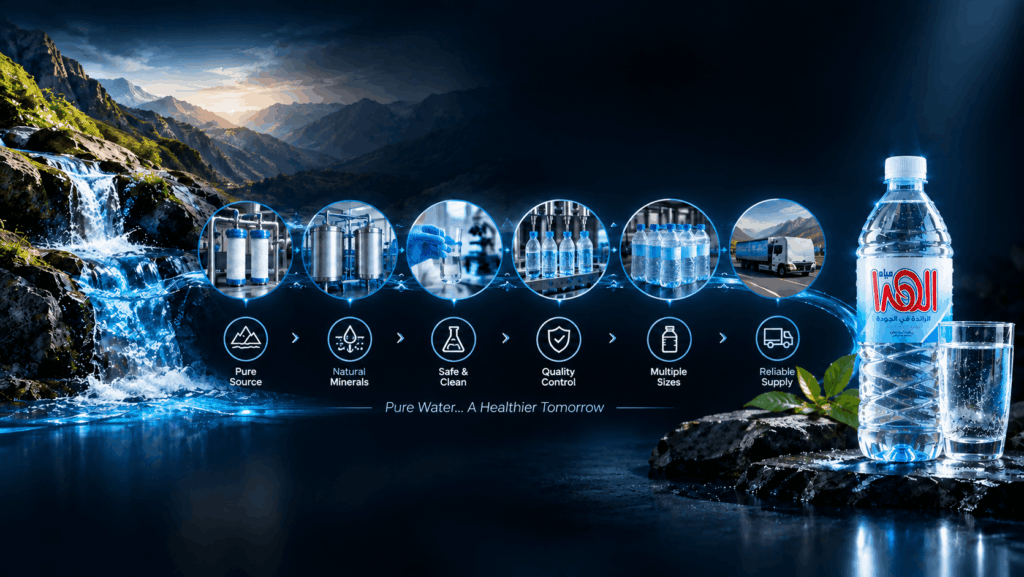
Water is one of the most essential parts of everyday life, and the quality of the water we drink matters. In Saudi Arabia, where the climate can be hot and dry for much of the year, having access to clean and reliable drinking water is especially important.
But have you ever wondered what happens to water before it reaches your bottle?
From its natural source to careful processing, quality checks, and final packaging, bottled water goes through a series of important steps before it reaches consumers. Understanding this journey can help you make more informed choices when selecting drinking water for your home, workplace, travel, or everyday hydration.
Al Hada Water is associated with water sourced from the Al Hada area, and its journey from source to bottle involves careful handling and quality-focused processes. This article explores how water can be collected, purified, tested, and bottled while maintaining its quality along the way.
Where Does Al Hada Water Come From?
The journey begins with the water source.
Al Hada is a well-known mountainous area in the western region of Saudi Arabia, near Taif. Its natural environment and elevation make the region notable for its springs and water sources.
Natural spring water begins its journey underground. As water moves through geological formations, it can naturally acquire minerals from the surrounding rock. These minerals can influence the water’s characteristics, including its taste and composition.
For consumers, understanding the source of bottled water is important because the source can have a significant influence on the final product.
With Al Hada Water, the journey starts with careful sourcing and handling of water before it moves through the subsequent stages of production.
Step 1: Collecting Water From the Source
The first stage is collecting water from the designated source.
Source protection is an important part of bottled water production. Water needs to be collected in a way that helps protect it from contamination and maintains its quality before processing.
During this stage, manufacturers must follow appropriate procedures for handling and transporting the water. Maintaining sanitary conditions throughout the process is essential because water quality depends not only on treatment but also on how the product is handled from its source onward.
A carefully managed source provides the foundation for the rest of the bottling process.
Step 2: Initial Filtration
Once water enters the production system, filtration can help remove unwanted physical particles.
Depending on the specific production process, filtration may be used to reduce particles and other impurities that could affect the water’s appearance or quality.
Filtration systems can include different types of filters designed for specific purposes. The goal is to ensure that water moves through the production process under controlled conditions.
It is important to understand that filtration is only one part of water treatment. Modern bottled water production can involve multiple stages designed to achieve the desired quality and safety standards.
Step 3: Water Treatment and Purification
The purification stage is one of the most important parts of the journey from source to bottle.
Water treatment processes vary depending on the source, product specifications, and applicable regulations. Treatment may be used to address impurities and ensure that the finished product meets required quality standards.
The exact treatment process used by a bottled water company is determined by its production system and the characteristics of its source water.
For a bottled water producer, maintaining controlled treatment conditions helps create consistency from one production batch to another.
This is particularly important for consumers who expect their bottled water to have a consistent appearance, taste, and overall quality.
Step 4: Maintaining Water Quality
Purification is not simply about removing unwanted substances. Maintaining the desired characteristics of the water is also important.
Natural water can contain minerals that contribute to its taste and composition. Depending on the product, treatment processes are designed around the characteristics of the source and the requirements of the final bottled product.
This balance is one reason why different bottled water brands can have distinct tastes.
When consumers choose Al Hada Water, they may notice characteristics associated with its source and mineral composition. The final product is designed to provide bottled drinking water that can be conveniently consumed as part of everyday hydration.
Step 5: Quality Testing
Before bottled water reaches consumers, quality control is a critical part of the production process.
Testing helps manufacturers monitor the quality of water throughout production. Depending on applicable standards and testing protocols, different physical, chemical, and microbiological characteristics may be evaluated.
Quality control can help identify potential issues and ensure that production remains within established specifications.
Regular testing is especially important for bottled water because consumers expect the product to be safe, consistent, and suitable for drinking.
A strong quality-control system can therefore be an important indicator when evaluating a bottled water brand.
Step 6: Bottling in a Controlled Environment
After the water has passed through the required treatment and quality-control stages, it is ready for bottling.
Bottling needs to take place under controlled sanitary conditions to minimize the risk of contamination.
The bottles themselves must also be suitable for their intended use and handled appropriately before being filled.
Modern bottling facilities use equipment designed to efficiently fill and seal bottles while maintaining hygienic production conditions.
Once filled, bottles are sealed to protect the product during storage, transportation, and distribution.
Step 7: Sealing and Packaging
The bottle’s seal is more important than it may seem.
A properly sealed bottle helps protect the water after it leaves the production line. The packaging also provides consumers with important information about the product.
Depending on the product, the label can include details such as:
- Product name
- Bottle volume
- Manufacturer information
- Production or batch information
- Expiry information
- Storage guidance
- Regulatory or certification information where applicable
Consumers should always check that a bottle is properly sealed and that the packaging does not appear damaged before drinking.
Step 8: Storage and Transportation
The journey doesn’t end when the bottle leaves the production line.
Bottled water must also be handled appropriately during storage and transportation. This is particularly relevant in Saudi Arabia because high temperatures can affect storage conditions.
Bottled water should generally be stored in a clean, appropriate environment and protected from excessive heat and direct sunlight.
From the production facility to distribution centers, retailers, offices, homes, and other destinations, proper handling helps protect the integrity of the packaged product.
For consumers, it is a good practice to store bottled water in a suitable place rather than leaving bottles exposed to extreme heat for prolonged periods.
Why the Purification Process Matters
When people purchase bottled water, they often focus on the brand, price, bottle size, or taste. However, the production process behind the bottle is equally important.
A controlled purification and quality-management process can help ensure that water consistently meets the required specifications.
For consumers, this means they can have greater confidence in the water they purchase for everyday use.
The process also demonstrates why bottled water is more than simply water placed inside a plastic container. It involves sourcing, treatment, testing, packaging, storage, and distribution.
Natural Source vs. Purified Water
It is useful to understand the difference between the concepts of natural source water and purified water.
Water from a natural spring or other source may contain naturally occurring minerals. These characteristics can contribute to the water’s taste and composition.
Purification, meanwhile, refers to processes used to treat water and address impurities according to the requirements of the product and applicable standards.
The two concepts are not necessarily opposites. Water can originate from a natural source while still being subjected to appropriate treatment and quality-control procedures before bottling.
For consumers interested in Al Hada Water, understanding this distinction provides useful context about how water moves from its natural environment into a packaged drinking product.
What Makes a Good Bottled Water Brand?
When choosing bottled water, consumers should consider more than just the appearance of the bottle.
Some important factors include:
1. Reliable Water Source
A clearly identified and carefully managed source provides an important foundation for water quality.
2. Quality Control
Consistent testing and monitoring can help ensure that the finished product meets applicable requirements.
3. Hygienic Bottling
Controlled bottling conditions help protect the product after purification.
4. Clear Product Information
Labels should provide consumers with useful information about the product, manufacturer, volume, and relevant dates.
5. Appropriate Storage
Good handling and storage practices help protect bottled water throughout its distribution journey.
6. Consistent Taste
Consumers often prefer brands that provide a consistent drinking experience from bottle to bottle.
Al Hada Water From Source to Consumer
The journey of Al Hada Water can be viewed as a complete chain rather than a single production step.
It starts with the source and continues through collection, filtration and treatment, quality control, bottling, sealing, packaging, and distribution.
Every stage has a purpose.
The source provides the foundation. Treatment helps manage water quality. Testing provides quality-control information. Bottling protects the finished product, while appropriate storage and transportation help maintain its condition until it reaches the consumer.
This entire process highlights the importance of responsible water production and careful handling.
How to Store Bottled Water at Home
Once you bring bottled water home, storage becomes your responsibility.
For the best possible storage conditions:
- Keep bottles in a clean and dry location.
- Avoid prolonged exposure to direct sunlight.
- Keep bottled water away from excessive heat.
- Store bottles away from chemicals and strong-smelling substances.
- Follow any storage instructions provided on the product label.
- Check the bottle and seal before drinking.
These simple practices can help you maintain appropriate storage conditions for your bottled water.
Why Source and Purification Should Influence Your Choice
When comparing bottled water products, knowing where the water comes from and how it is handled can make your decision easier.
Consumers may have different preferences. Some may prioritize natural mineral characteristics, while others may focus on taste, convenience, packaging, or availability.
Regardless of preference, transparency about sourcing and production is valuable.
A bottled water company that emphasizes quality management throughout the journey—from source to bottle—can give consumers greater confidence in the product they choose.
Final Thoughts
The journey of bottled water is more complex than it may appear.
For Al Hada Water, the process begins with its source and continues through controlled collection, treatment, filtration, quality checks, bottling, sealing, packaging, storage, and distribution.
Each stage plays an important role in delivering a consistent bottled drinking water product to consumers.
When choosing bottled water, don’t look only at the label or price. Consider the source, production practices, quality controls, packaging, storage, and reputation of the brand.
For people looking for Al Hada Water in Saudi Arabia, understanding the journey from natural source to finished bottle can provide a better appreciation of what goes into producing bottled water for everyday hydration.
Ultimately, informed choices begin with knowing what is inside the bottle—and understanding the careful process that gets it there.